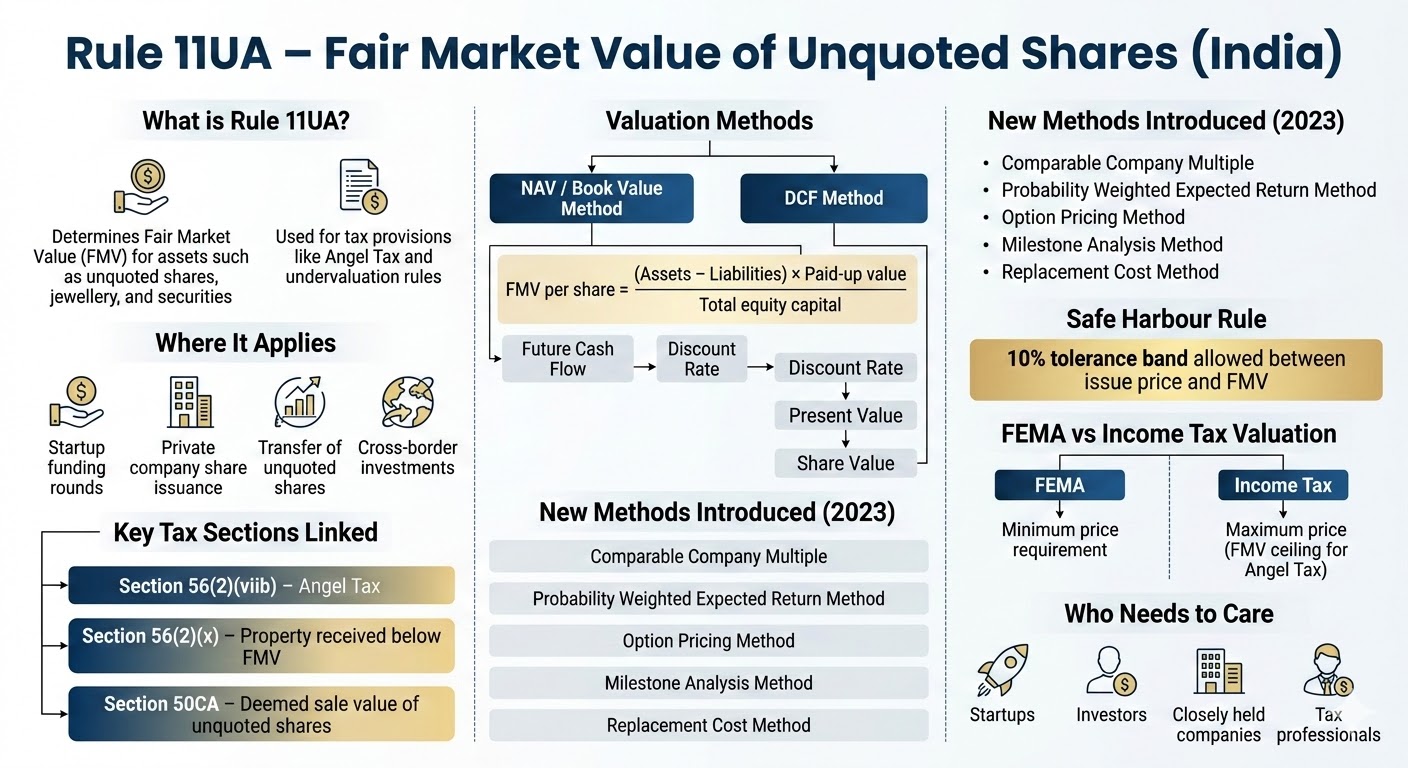
The Foreign Direct Investment (FDI) policy in India is a set of guidelines and regulations formulated by the Government of India to attract foreign investment, promote economic growth, and enhance global competitiveness. Governed by the Foreign Exchange Management Act (FEMA) and overseen by the Reserve Bank of India (RBI) and the Department for Promotion of Industry and Internal Trade (DPIIT), the policy defines the sectors, limits, and conditions under which foreign entities can invest in India.
Objectives of FDI Policy
Promote Investment: Encourage foreign capital inflow to supplement domestic resources.
Boost Economic Growth: Create jobs, improve infrastructure, and enhance technology.
Ensure Regulation: Establish clear guidelines to prevent misuse and safeguard national interests.
FDI Routes
Foreign investment in India can be made through two primary routes:
Automatic Route
No prior approval required from the government.
Applicable for sectors where 100% FDI is permitted under pre-defined conditions.
Government Route
Requires prior approval from the relevant ministry or department.
Applicable for sensitive sectors or those with capped FDI limits.
Permissible FDI Limits by Sector
FDI limits vary by sector, depending on their strategic significance and economic impact. Key sectors include:
Sector
FDI Limit
Route
Agriculture & Animal Husbandry
100%
Automatic
Telecom Services
100%
Up to 49% Automatic; Beyond 49% Government
Defence Manufacturing
Up to 74% Automatic; Beyond 74% Government
E-commerce (Marketplace)
100%
Automatic
Insurance
74%
Automatic
Real Estate
Prohibited (Except for specific projects like townships, SEZs)
Print Media
Up to 26%
Government
Prohibited Sectors for FDI
Certain sectors are entirely off-limits for foreign investment:
Gambling and betting.
Lottery business.
Real estate trading.
Atomic energy.
Chit funds.
Key Policy Highlights
Easing of Caps and Restrictions: Many sectors have moved from government to automatic routes to simplify the investment process.
Sector-Specific Guidelines: Detailed conditions apply, such as local sourcing norms in single-brand retail.
Prohibitions on Certain Investments: FDI from certain countries may require additional scrutiny, such as investments from neighboring countries.
Benefits of FDI
Economic Growth: Inflows contribute to GDP growth and infrastructure development.
Job Creation: Encourages skill development and employment opportunities.
Technology Transfer: Introduces advanced technologies and expertise.
Boost to Exports: Enhances the production and export potential of sectors like manufacturing.
Filing and Reporting under FDI Policy
Investors must comply with reporting obligations:
Inward Remittance Reporting: Report receipt of funds within 30 days.
Allotment of Shares: Report issue of shares via Form FC-GPR within 60 days.
Annual Return: File the Annual Return on Foreign Liabilities and Assets (FLA) by July 15.
Compliance and Monitoring
RBI Oversight: Ensures transactions comply with FEMA guidelines.
Sectoral Caps: Monitored to prevent breaches of limits.
Penalties for Non-Compliance: Includes fines and possible disinvestment.
Recent Reforms in FDI Policy
Defence: Increased automatic route limit to 74%.
E-Commerce: Strengthened rules for marketplace operations.
Insurance: Increased the limit to 74% to boost sectoral growth.
Startups: Permitted 100% FDI in startups under specific conditions.
Challenges in FDI Policy Implementation
Sectoral Restrictions: Sensitive sectors still have stringent controls.
Approval Delays: Government route can involve lengthy processes.
State-Level Disparities: Policies may vary across states.
Conclusion
India’s FDI policy plays a pivotal role in fostering a favorable investment climate and driving economic growth. By easing restrictions, providing clarity, and offering incentives, India continues to position itself as a global investment destination. Businesses and investors should stay updated with policy changes and seek professional guidance for seamless compliance.
We at FemaExpert provide comprehensive service for all transactions that fall under FEMA and its one stop solution to all corporate and individual for all the queries related to FEMA. Our highly experienced and updated team takes care of every requirement of clients to solve all issues related to foreign exchange transaction and provide consultancy end to end.